Tag Archive: techniques


Electric Mixer Cob

Posted by Michael Blaha, May 5th , 2008.

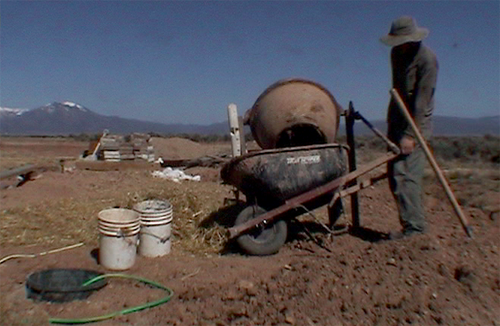
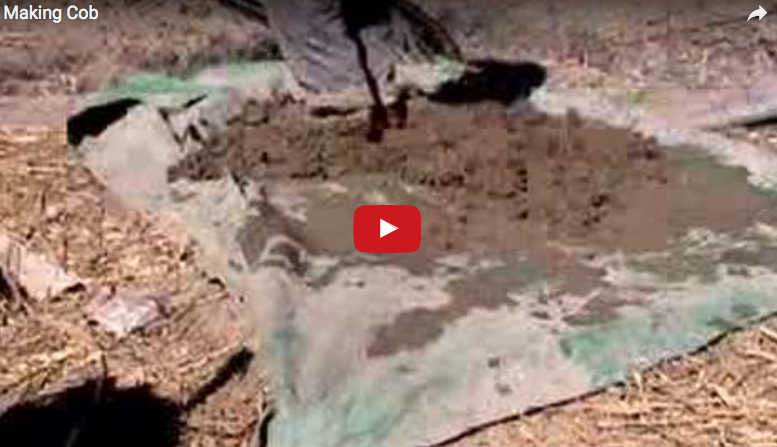
Mixing cob… mesa style. This is a sloppier version of cob that’s good for infill, shaping and scratch coat plasters. Raw earth, straw and water. I’ve been using this for everything lately. In the video it shows a sloppy mix as it comes out of the mixer and the same mix after it has sat out in the sun and the wind. It stiffens up quick. I’m a fan of the cement ( cob ) mixer. It allows you to do several other things while the barrel is spinning. Electricity can come from variety of sources. Of course using power from the sun to make cob would be natural building nirvana. Even better… the human power of friends and neighbors.

Related post »

Mesa Dirt

Posted by Michael Blaha, March 2nd , 2008.

Mesa Dirt

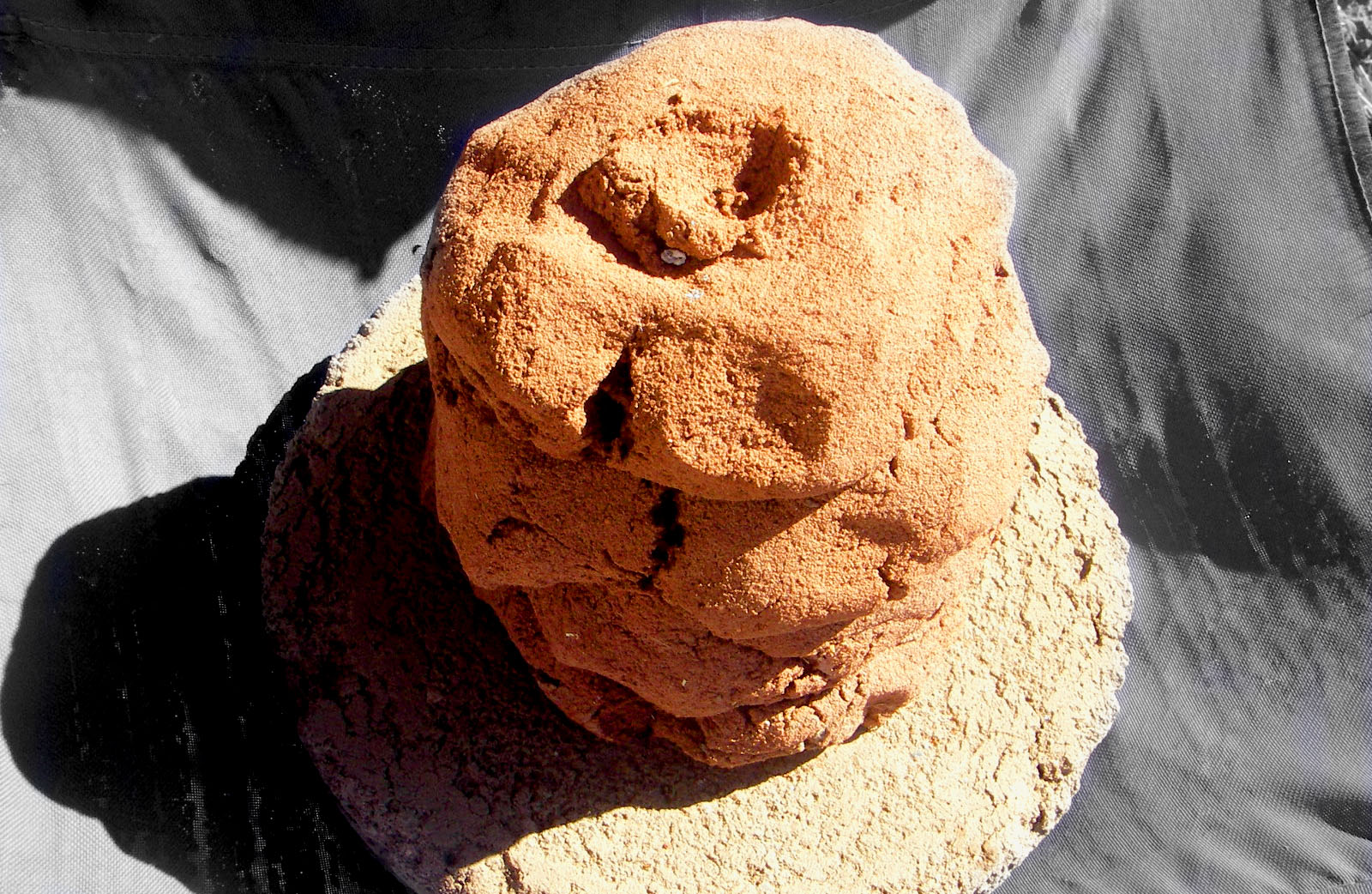
It’s about that time of the year again. The weather is warming up and the mud is almost thawed. Fortunately in the high deserts of New Mexico there is plenty of good dirt around, especially in the mesa, where sometimes there’s too much mud! Plain old mesa dirt mixed with straw creates a delightful earthen plaster.

Continue Reading…

Light Clay Cram

Posted by Michael Blaha, October 21st , 2007.

Light-clay Cram 500

I want this southern wall to be mostly cob and earthbags to collect the warmth of the sun. Of course, it would be wonderful to have a pure cob wall, but time does not permit. And after all that’s slow! Here’s the thing though - It’s already cold. I’m pushing my luck with light clay infill. The light clay takes a long time to dry. Even in warm weather you should let the light clay infill dry for a couple of months before plastering. Cob too. It won’t dry in time. Basically, I’m after a wind break for the winter so I can work inside.
Light-clay Cram Light-clay Cram  Light-clay Cram and mud

Light Clay Cram

It’s somewhere in between wattle and daub and light clay infill, but it not really either. I’m making use of my post and beam structure by nailing saw mill ‘waste’, known as mill ends, to the posts. This creates a good lattice for what comes next.

I made some light clay and let it sit out in the sun for an afternoon. The earth absorbed the excess moisture and the clay gets pretty tacky. I took a lump of light clay and placed the in between the open space between the mill ends and cram it over to the side. Packing and pushing. The lump of light clay fills the gap and hangs over the mill ends both inside and outside. I just kept doing that until the openings were full. Let dry in the feirce winds…

After a few days of sun and wind it was time to add mud. I tucked earthen plaster in the gaps and covered the light clay. The straw creates a good key. Now when I go back in the spring to add the infill plaster the wall is ready and I have a wind break for the winter.

This has got to be one of the quickest and low cost ways to create a wall. Rather than building up slowly this allows for the wall to go up first and then thicken up later. The wall is up. The materials were cheap. And the amount of human energy was moderate.

Bale Bags In Action

Posted by Michael Blaha, October 28th , 2006.

Balebag

I had to fill a space in a strawbale wall above the bales and betwixt some rafters. I had filled the space with some light clay a year ago, but it was wet and never dried resulting in decay. The light clay could have worked if it had a chance to dry over the warmer months, but I placed it in the wall during fall so it didn’t get a chance to dry. In the spring I ripped the rotting material out and left the cavity empty. The only thing between the inside and the outside was a 4″ cob wall attached to a 2 x 12″ wood stud - which does the trick, but in the winter months collects frost.

wall cav

This fall I just wanted to fill the cavity and provide some insulation to the upper part of the wall. The choices were to create small bales that would fit into the the spaces; try more light clay ( this time drier ), or pack some poly-propylene bags with straw and stuff it. I choose to use the bale bags this time.
Continue Reading…

Making Cob

Posted by Michael Blaha, October 17th , 2006.

The Materials

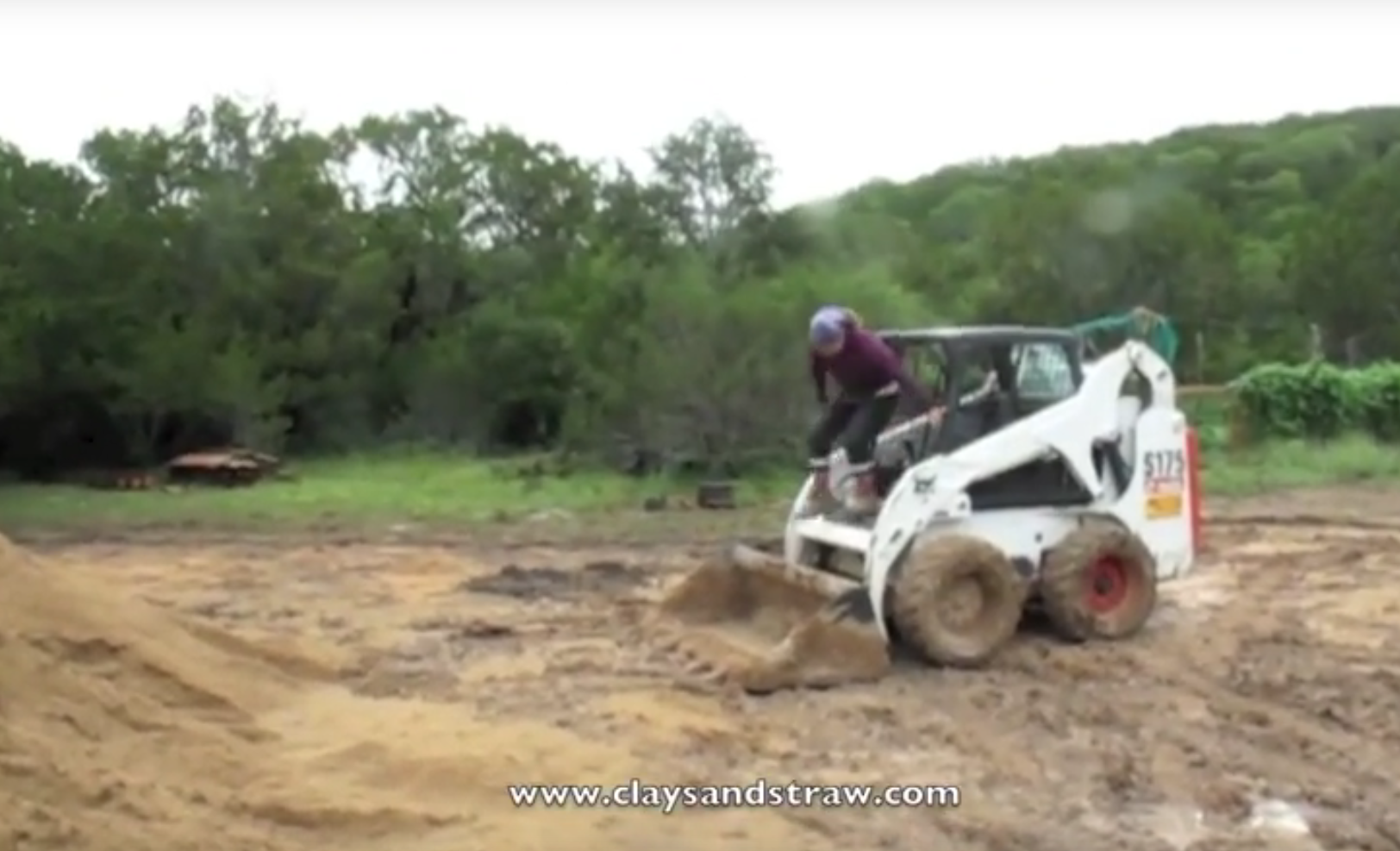
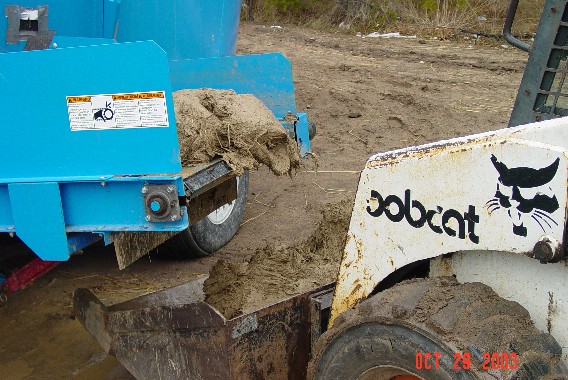
Your local materials dictate what kind of ratio you will use to create a cob mixture. Generally speaking cob is a mixture of 70% angular sand and 30% clay rich soil with as much straw as needed for the particular application. That said, there are many different mixes one can use. Some situations call for different types of mixtures.

Feet in Cob

Methods of Cob Making

See other posts about Making Cob »

 
© 2008, I Love Cob!. All Rights Reserved.
Organic Arts | Web Design